Saving the world’s rarest flora, right here in Suurbraak.
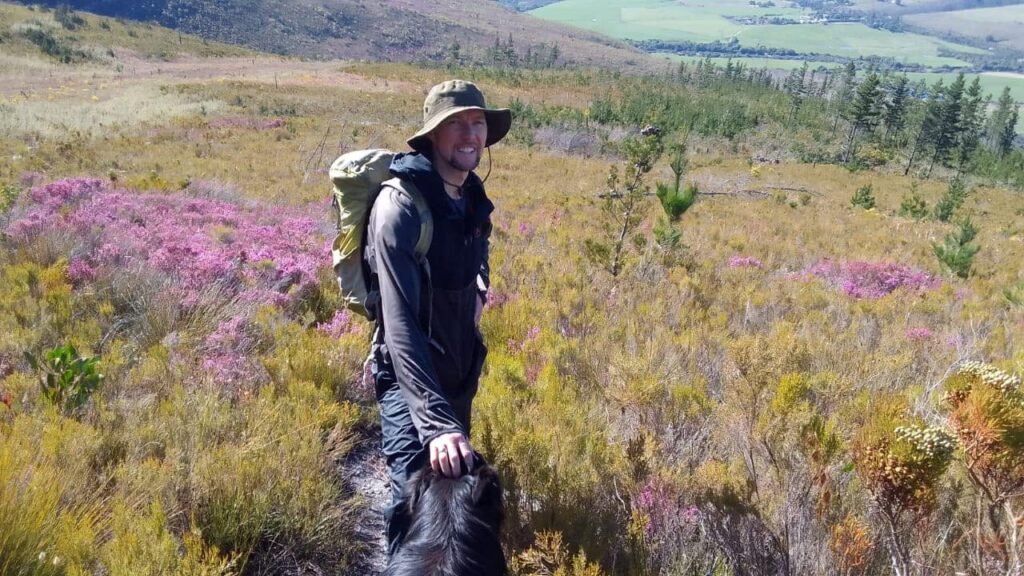
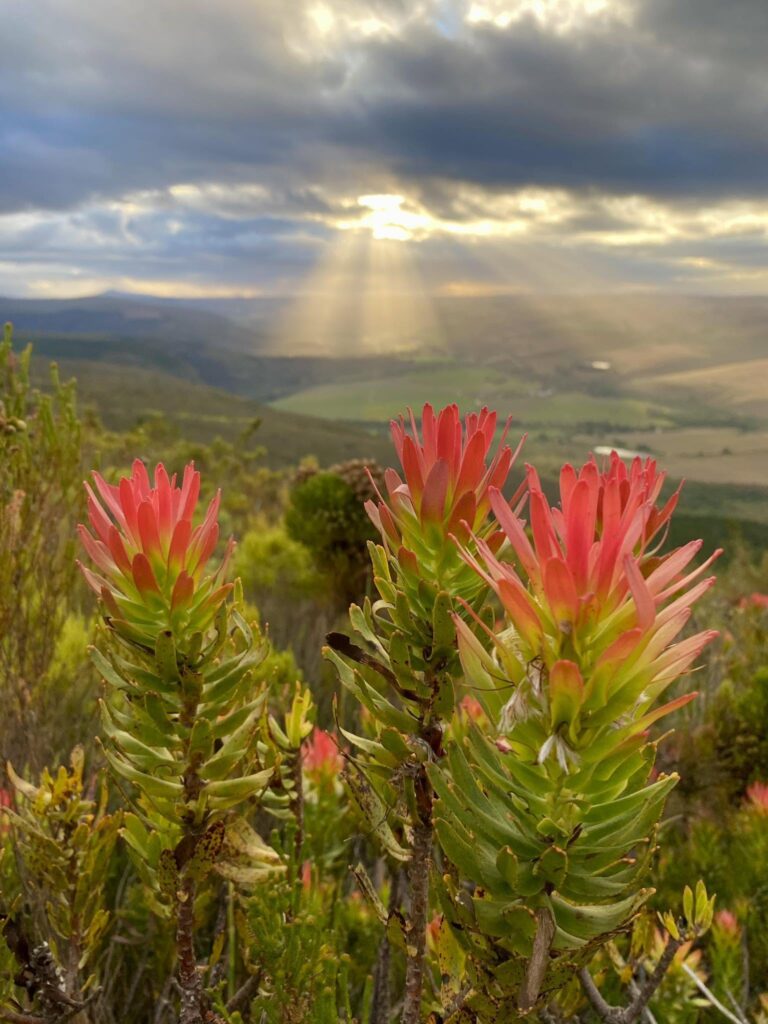
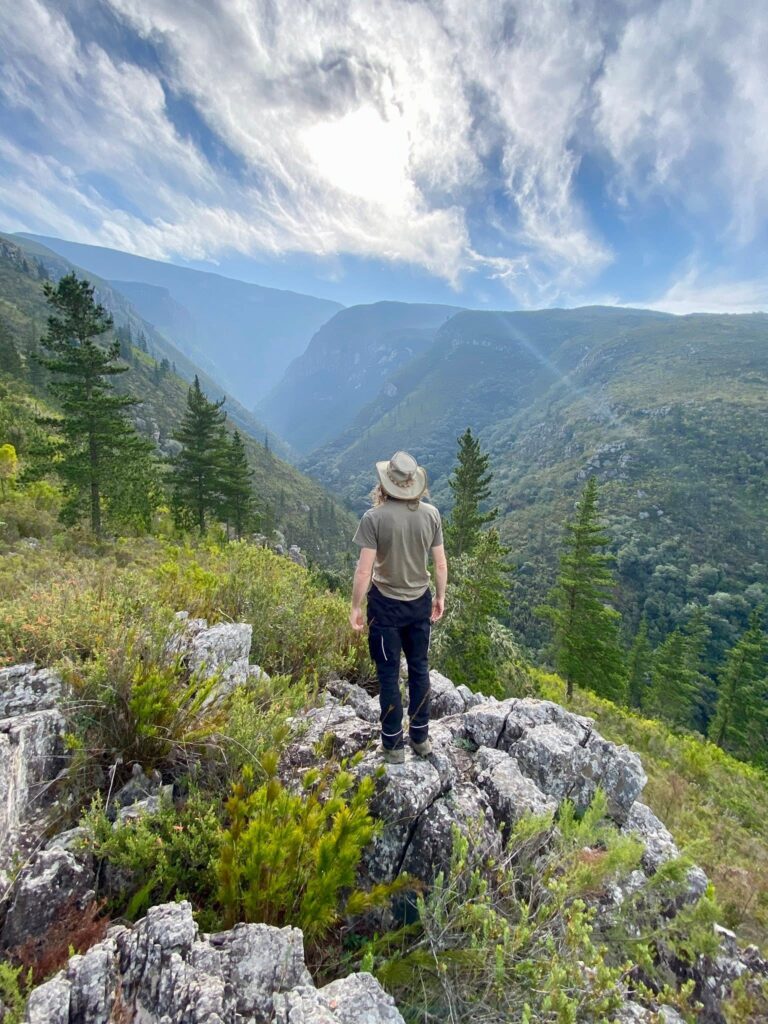
We love these mountains. The proteas flowering on the slopes, the rustle of small creatures in the undergrowth, the changing light over the Langeberg—this is our home, and we want to care for it.
Watching invasive plants spread across places once rich with indigenous life has turned that love into a determination to act.
Native Cape is a locally led conservation initiative working to clear invasive plants, help indigenous habitats recover and protect the wildlife that depends on them. Starting here in Suurbraak, we want to give the fynbos, renosterveld and river corridors the space, time and care they need to flourish.
Help bring back the fynbos – and the life it supports
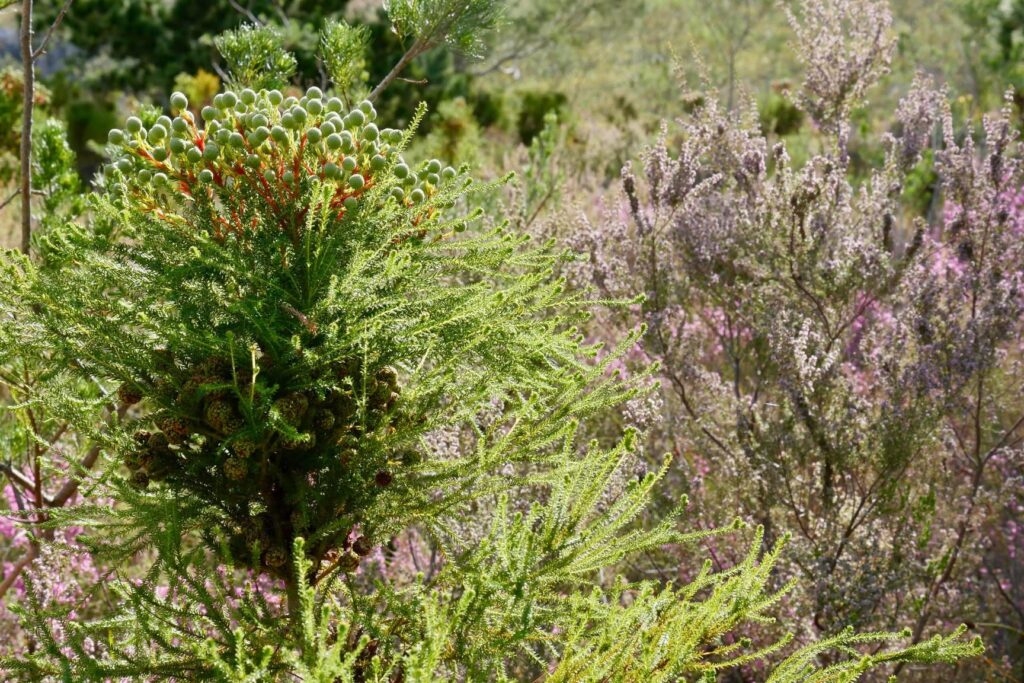
A landscape worth protecting
From the rocky heights of the Langeberg to the foothills and riverbanks below, the landscape around Suurbraak holds a remarkable variety of indigenous life. Fynbos, renosterveld and riverine habitats each have their own character—and their own part to play in the wider living landscape.
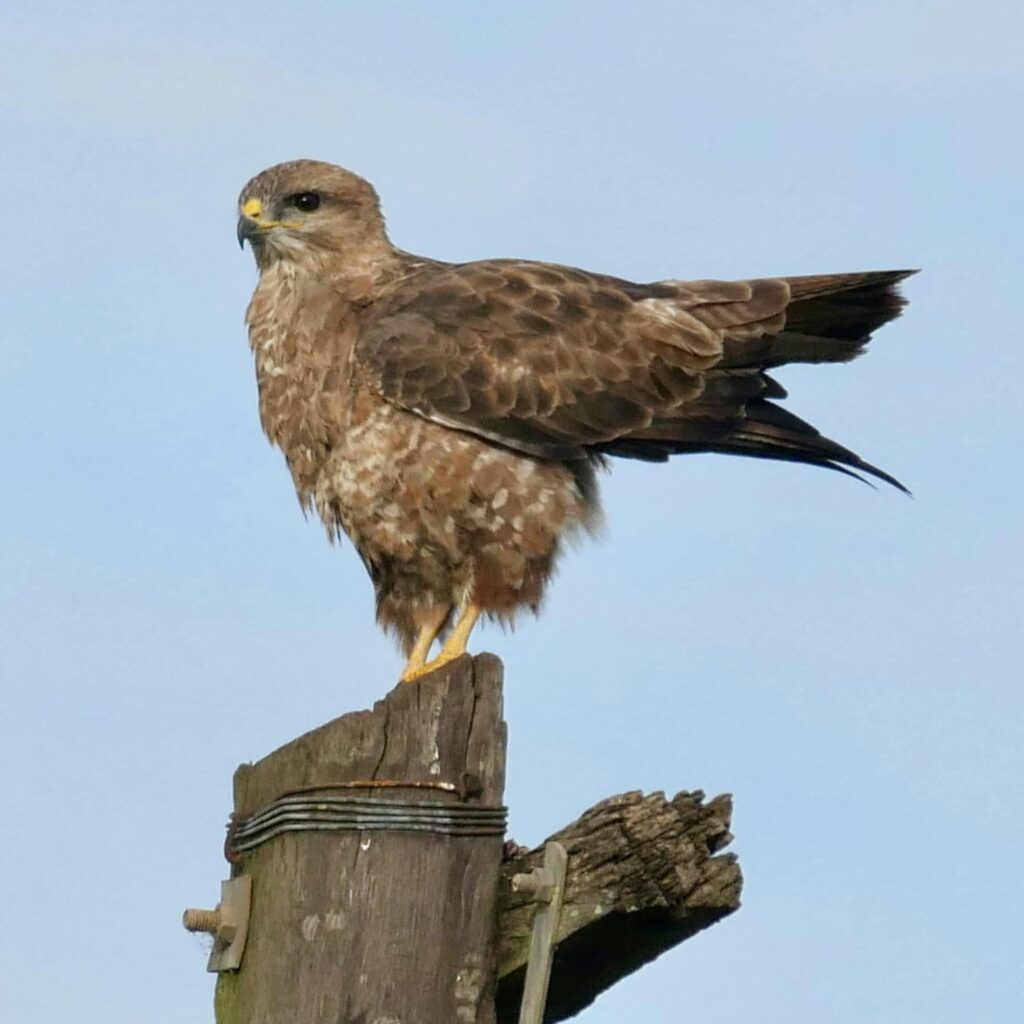
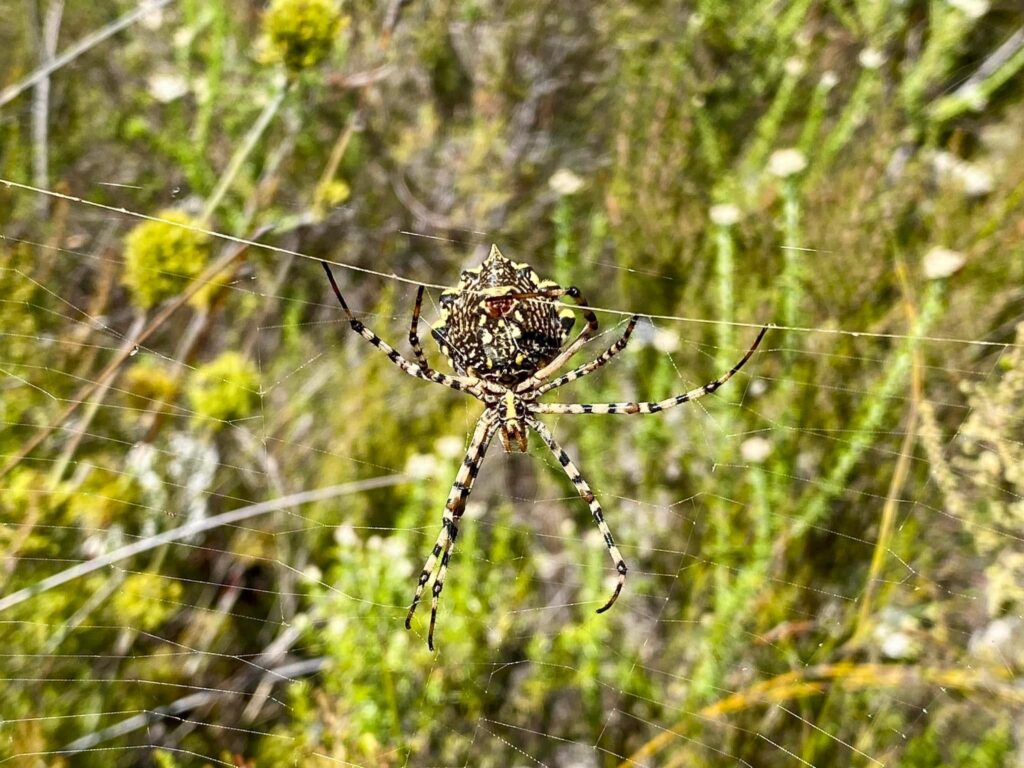
Look closely and that richness reveals itself: a tiny flower between rocks, bees moving through blossoms, a bird disappearing into the undergrowth. Every patch holds relationships between plants, animals, soil and water that we are still learning to understand.
We sit at the intersection between rare ecosystems:
- Eastern Rûens Shale Renosterveld: This is the highly threatened, fertile lowland vegetation that runs right up through the undulating plains and foothills surrounding Suurbraak.
- Langeberg Quartzite Fynbos: This is the resilient, mountain-dwelling fynbos that carpets the rocky sandstone heights right behind the village.
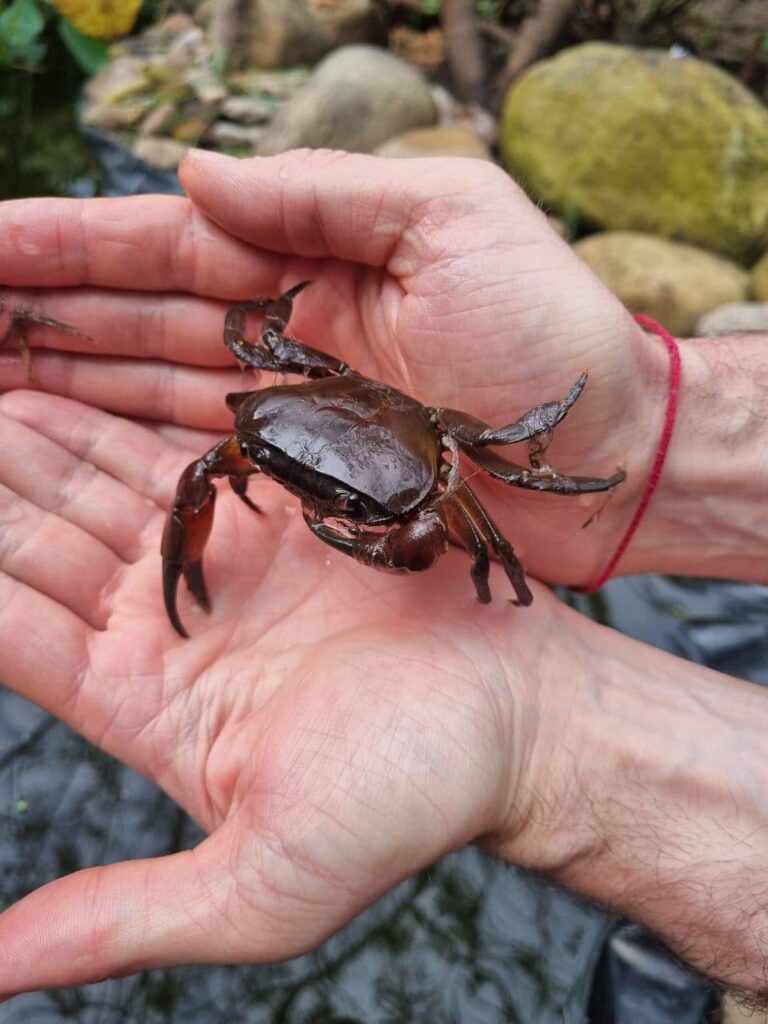
- Cape Lowland Alluvial Vegetation: Found along the paths of the river system, which flows through the heart of Suurbraak.
As invasive plants spread, we risk losing these wonders and the habitats that sustain them. We want future generations to know this landscape through the life they find here, not only through photographs of what it used to be.
Making space for indigenous life
As black wattle and other invasives spread, dense, lifeless stands replace the original, diverse indigenous vegetation. The effects reach beyond the trees we can see.
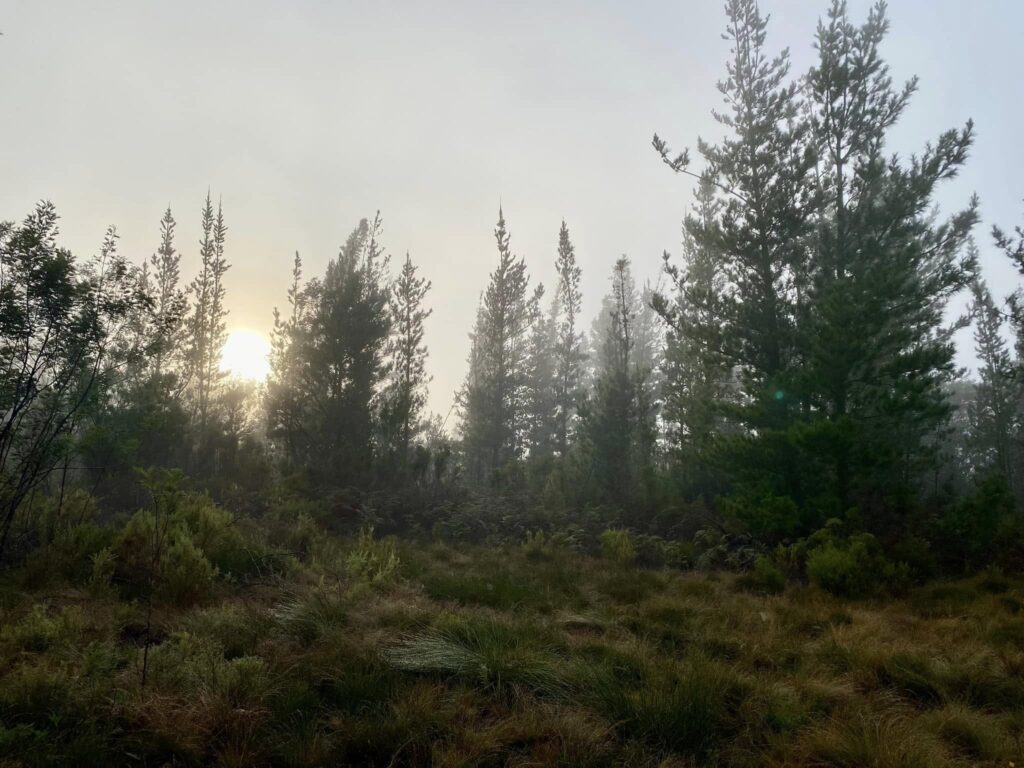
We’ll approach each site as a whole, identifying the invasive plants present and planning how best to control them while protecting the indigenous vegetation around them. Our priorities will reflect the conditions on the ground, the permissions in place and the work we can realistically sustain.
Clearing is only the beginning. We’ll return to tackle regrowth and new seedlings, monitor what comes back, and give indigenous vegetation the time and care it needs to recover.
The invasives on our doorstep
A brief look at some of the alien invasives taking over the area.
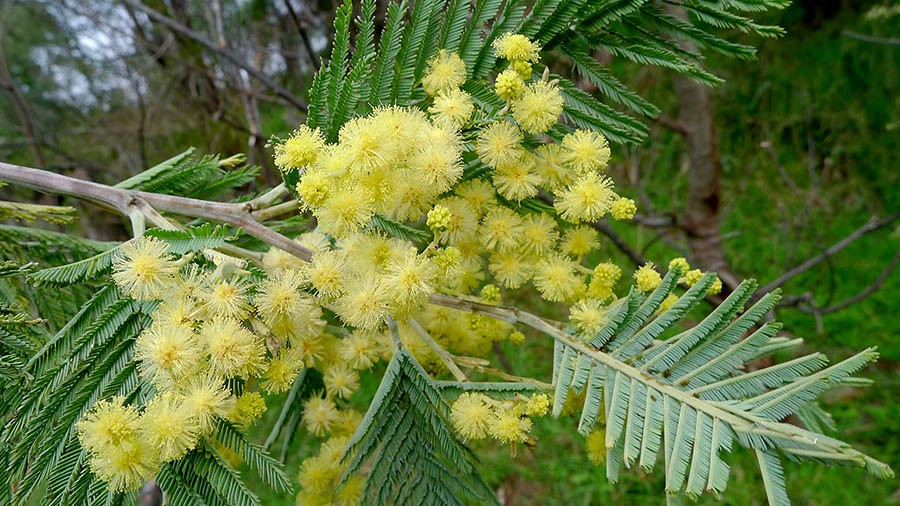
BLACK WATTLE & PORT JACKSON
Acacia mearnsii & Acacia saligna
- Crowd out indigenous life: Dense stands shade and compete with fynbos and other indigenous plants, changing the habitats available to wildlife.
- Put water and fire resilience under pressure: Expanding infestations can reduce catchment water availability and build up woody fuel that makes fires harder to manage.
- Leave a lasting seed bank: Seeds remain in the soil long after mature trees are removed. Fire can trigger new seedlings, making repeated follow-up essential.
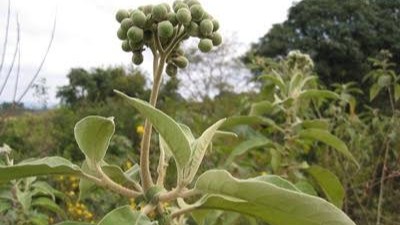
BUGWEED (Solanum mauritianum)
- Quickly occupies disturbed ground: Fast growth allows it to dominate roadsides, cleared areas and damaged forest margins.
- Competes with indigenous plants: Dense growth can change the structure and variety of recovering vegetation.
- Spreads through fruit-eating wildlife: Birds and other animals carry its seeds into new areas, making repeat monitoring important.
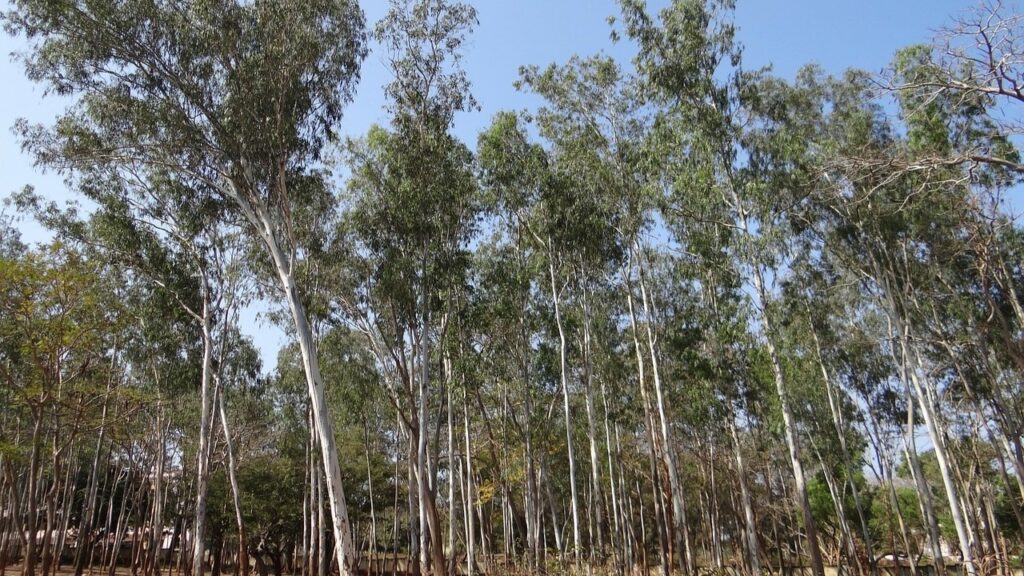
INVASIVE GUMS (Eucalyptus species)
- Compete with indigenous vegetation: Spreading stands can take over river corridors and other suitable habitats.
- Increase pressure on water: Dense infestations can use more water than the vegetation they replace, particularly where water is readily available.
- Add woody fuel: Established stands can contribute to heavy fuel loads, requiring careful fire and clearing management.
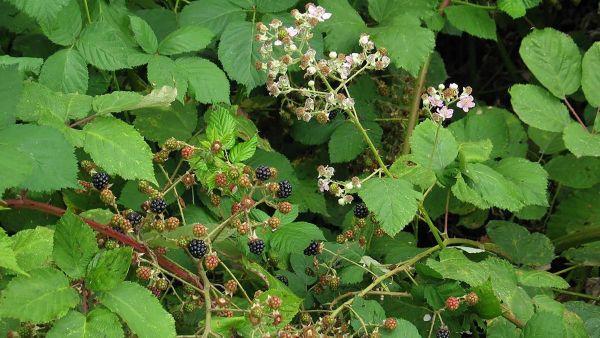
INVASIVE BRAMBLE (Rubus species)
- Form dense, thorny barriers: Tangled canes take over growing space and make riverbanks and other invaded areas difficult to access.
- Crowd surrounding vegetation: Spreading thickets compete with indigenous plants and can overwhelm smaller shrubs and seedlings.
- Keep spreading and returning: Seeds and vigorous vegetative growth help infestations expand, while established plants can regrow after cutting.
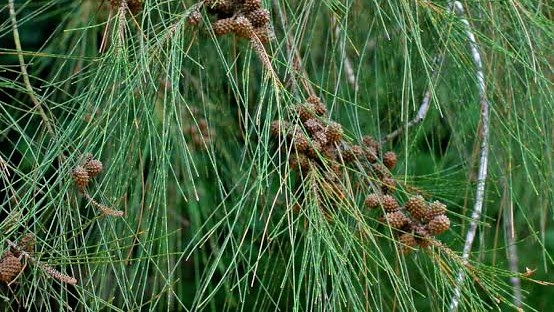
CASUARINA (Casuarina species)
- Competes with indigenous vegetation: Dense tree cover can shade out smaller plants and change the structure of the habitat beneath it.
- Changes conditions on the ground: Accumulating fallen branchlets can form a thick litter layer, making it harder for some indigenous plants to establish.
- Spreads beyond planted trees: Small, winged seeds can reach new sites, allowing planted windbreaks or isolated trees to become sources of invasion.
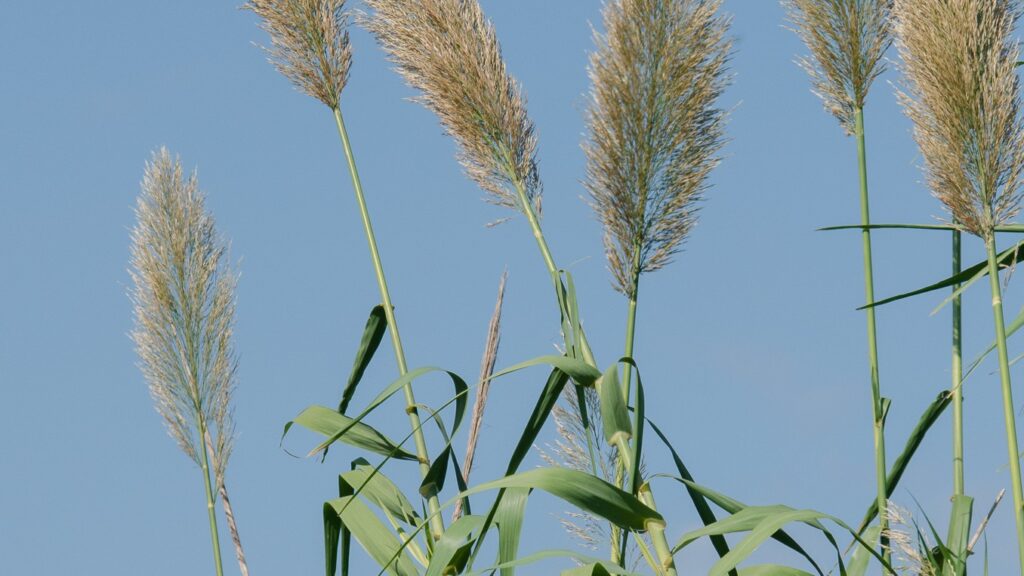
GIANT REED (Arundo donax)
- Crowds riverbanks: Tall, dense stands displace indigenous plants and simplify wildlife habitat.
- Disrupts waterways: Heavy growth can obstruct channels and alter the way water flows.
- Spreads from fragments: Pieces of stem and underground rhizome can establish new plants, making careful handling and follow-up essential.
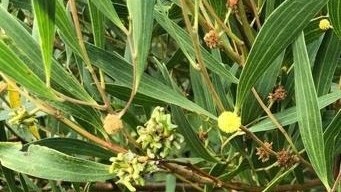
SILKY & ROCK HAKEA (Hakea sericea and Hakea gibbosa)
- Crowd mountain fynbos: Dense, prickly thickets compete with indigenous vegetation and make access difficult.
- Add fuel to wildfires: Established stands can increase fire intensity and complicate clearing work.
- Release seeds after fire: Woody fruits retain seeds until branches or plants die, allowing a new wave of invasion after a burn.
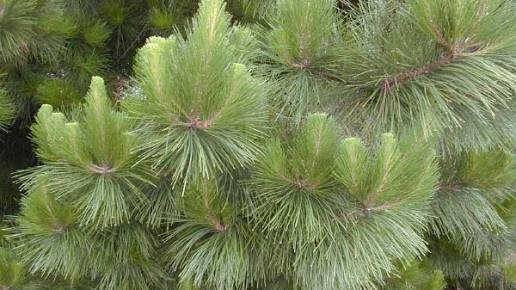
INVASIVE PINES (Pinus species)
- Replace open fynbos with tree cover: As stands thicken, shade and competition reduce space for indigenous vegetation.
- Put catchment water under pressure: Invasive trees use water that would otherwise contribute to streams and downstream supplies.
- Build up woody fuel: Dense growth and accumulated material can make mountain fires more difficult to manage.
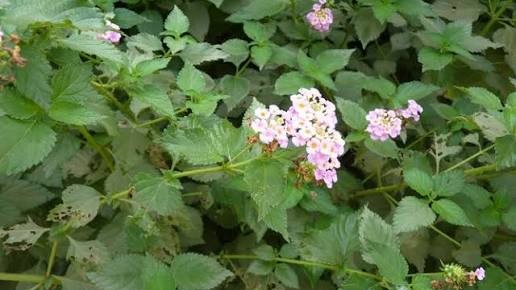
LANTANA (Lantana camara)
- Forms tangled barriers: Dense, prickly growth crowds indigenous plants and restricts access through vegetation and along waterways.
- Spreads through berries: Birds and other animals disperse its seeds, helping new infestations establish beyond the original plants.
- Returns after cutting: Plants can reshoot from the base, so simply cutting back the visible growth rarely solves the problem.
What your support will help us do
Clear and restore
Remove invasive plants, control regrowth and monitor habitat recovery around Suurbraak, the mountain foothills and the Buffeljags River.
Care for the life returning
Use trail cameras to document wildlife and install suitable bat and owl boxes where appropriate. Longer term, we hope to develop bird and wildlife rehabilitation as our capacity and approvals allow.
Share the wonder
Document the work through videos and photography, welcome volunteers, offer educational nature walks and involve local schools. We want more people to know and love the extraordinary natural heritage on their doorstep.
Create local opportunities
Work towards lasting employment for people in Suurbraak as the project grows. Explore responsible uses for cleared material, including suitable mulch for community food gardens or fundraising, without spreading invasive plants.
Plan for lasting recovery
Choose manageable sites, plan for follow-up and seek guidance from conservation specialists. Work towards agreements with landowners, including the CPA, and explore appropriate firebreaks with the relevant authorities.
We’ll develop these activities in stages, securing the necessary landowner consent and any required registrations, permits and approvals before the relevant work begins.
Where we are now
Native Cape is taking its first steps. We’re preparing our registration applications, opening conversations with Swellendam Municipality and CapeNature, and identifying where we can begin and whose permission we need.
There’s work to do before the first clearing day: site visits, planning, securing equipment and building the relationships that will help us care for these places over time.
Early support gives us the time and resources to turn this shared hope into practical, lasting work.
Give the work time to take root
Every cleared space is a place we’ll need to return to, care for, and watch over as it recovers. Your support helps us make that commitment.
Donations will fund the people doing the work, tools and protective equipment, follow-up clearing, wildlife monitoring and the everyday costs of keeping Native Cape going.
We’ll share the progress and the challenges through videos, before-and-after photographs and clear financial updates, so you can see what your contribution makes possible.
Help give this landscape the time and care it deserves. Make a once-off gift, become a regular supporter, or contribute useful equipment and expertise.
We are in the process of applying for SARS Section 18A approval, which would allow us to issue tax-deductible receipts for qualifying donations. We can’t issue these receipts yet and will update this page once SARS approval—which can take several months—is confirmed.
Follow the recovery
Come along as Native Cape takes root—from our first days on the mountain to wildlife caught on trail cameras and signs of indigenous plants returning.
We’re preparing our YouTube channel to share the work, discoveries, and challenges along the way. Our planned Patreon page will offer another way to support us regularly and stay close to the project.
We’ll add the links here as soon as they’re ready. Wherever you are, we’d love you to be part of the story.
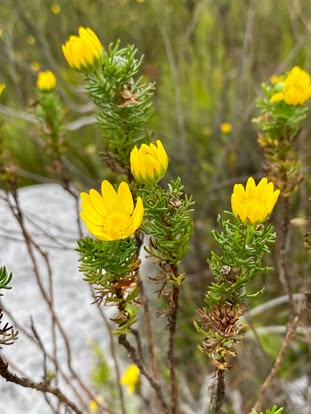
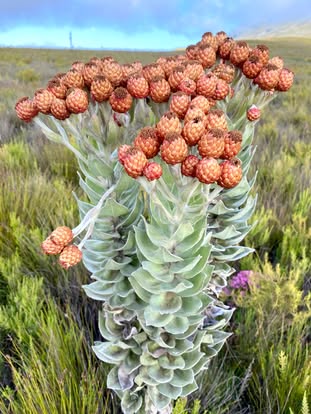
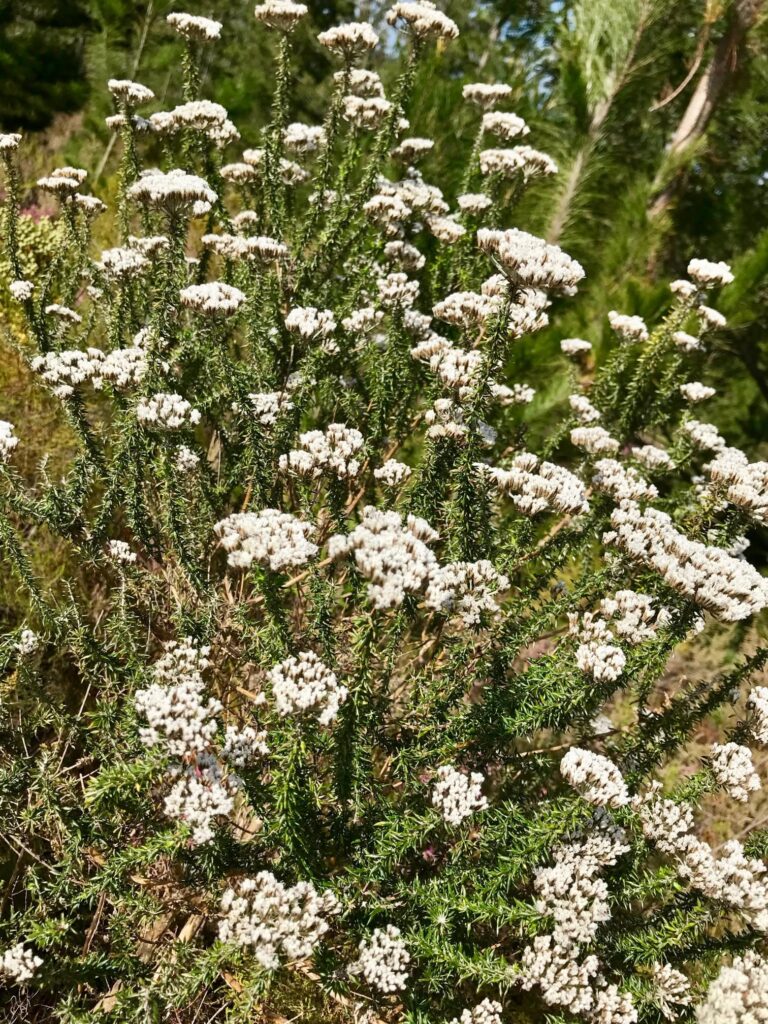
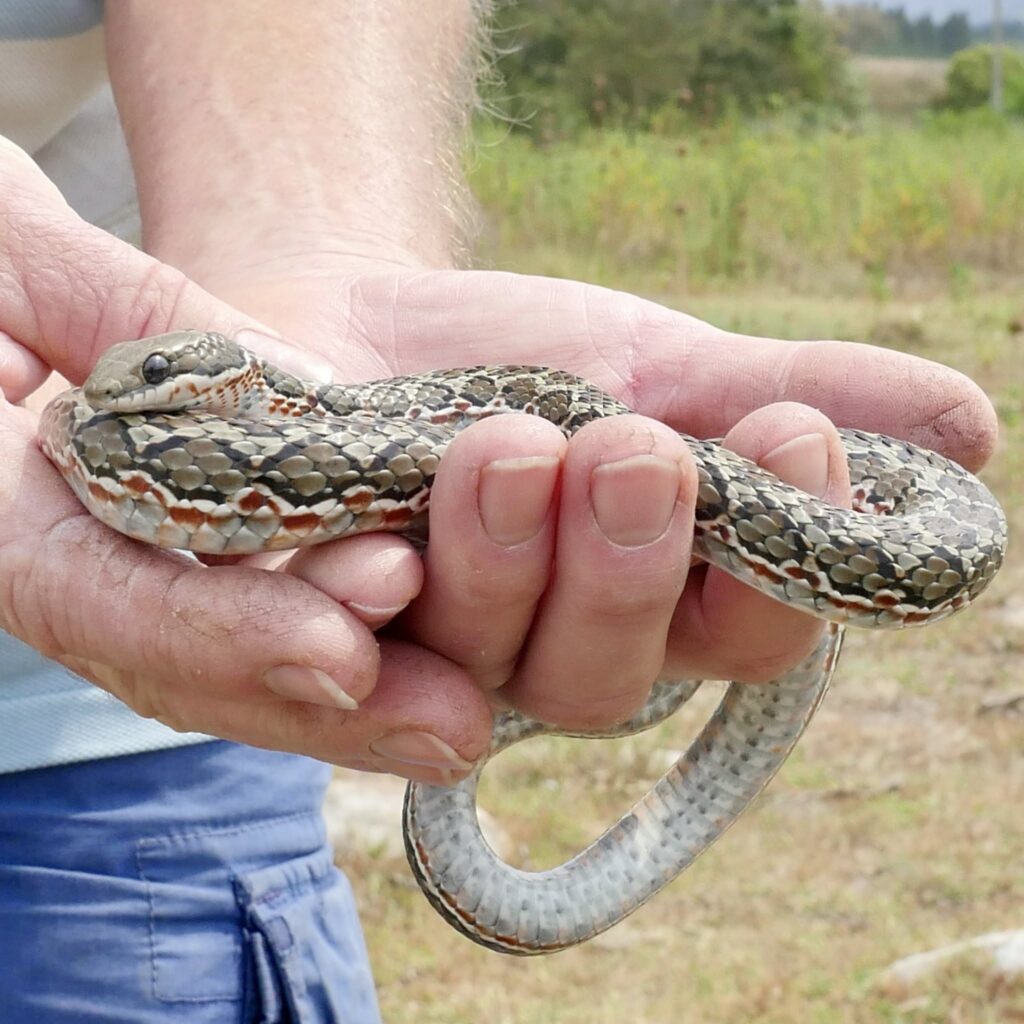
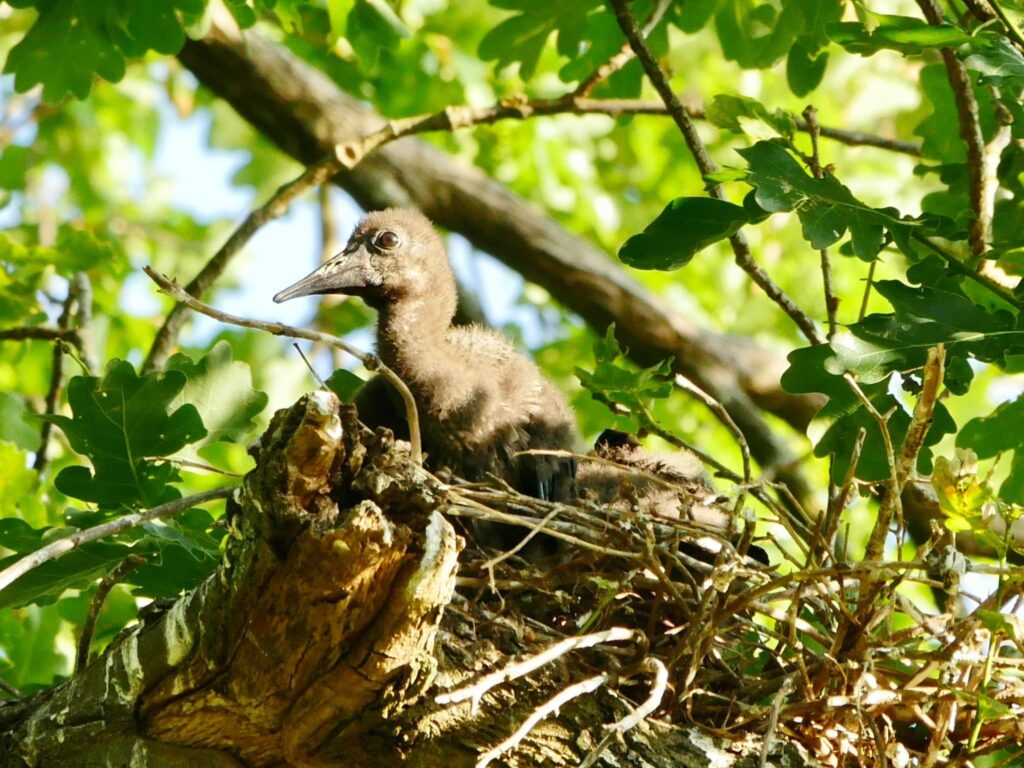
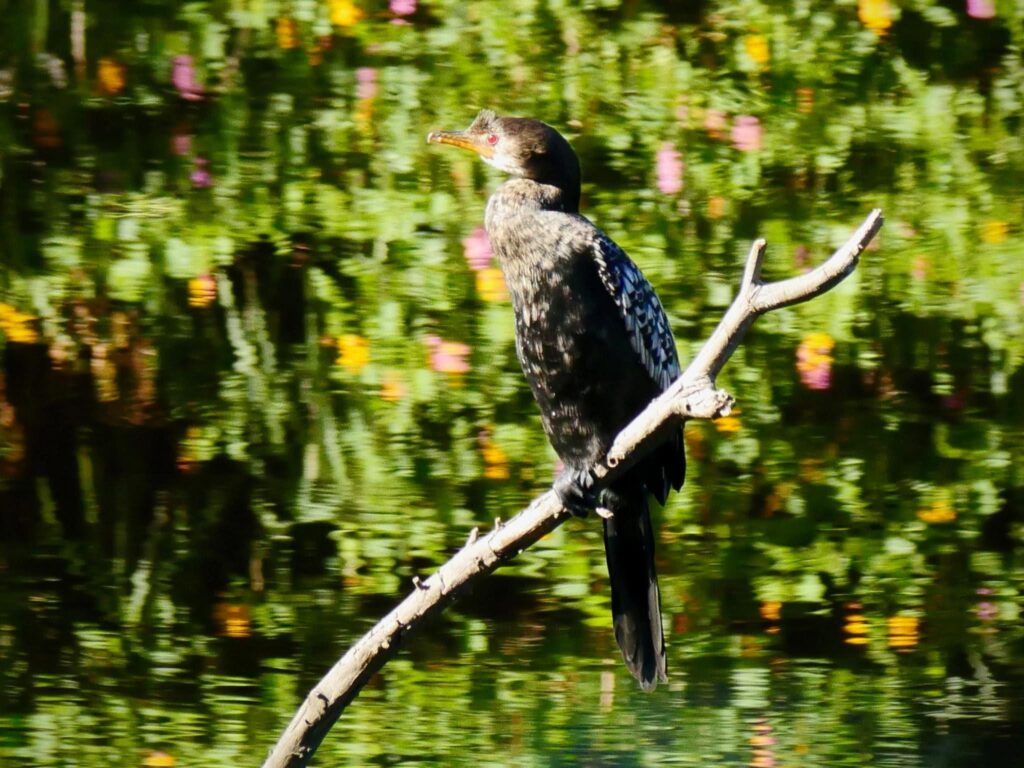
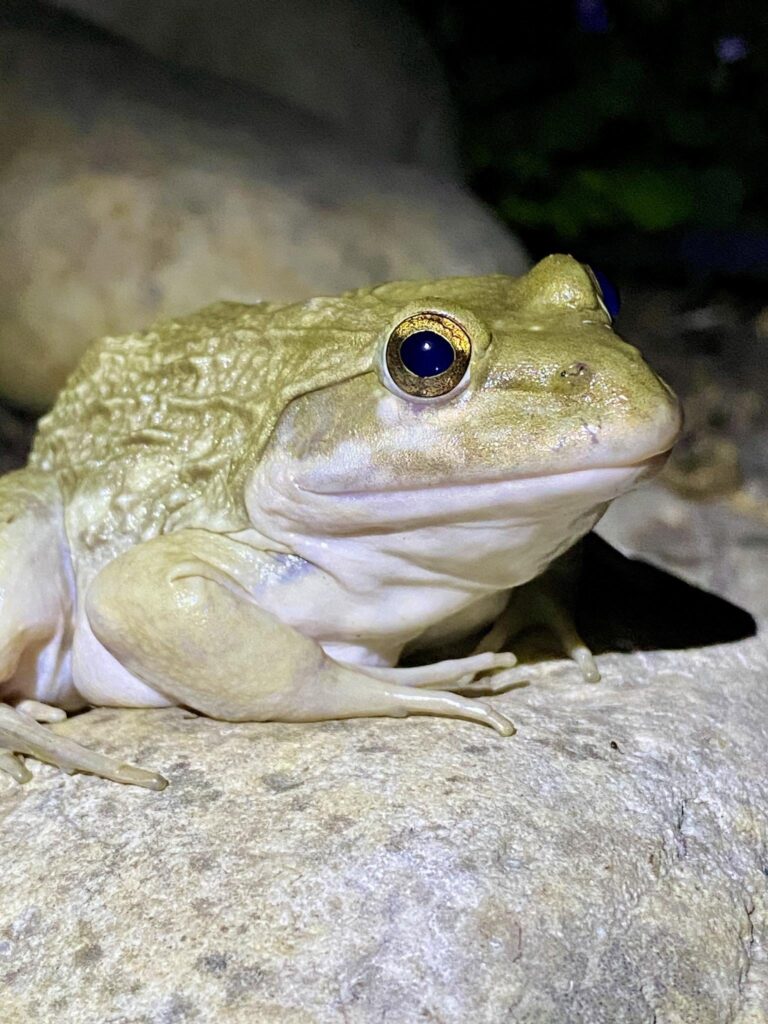
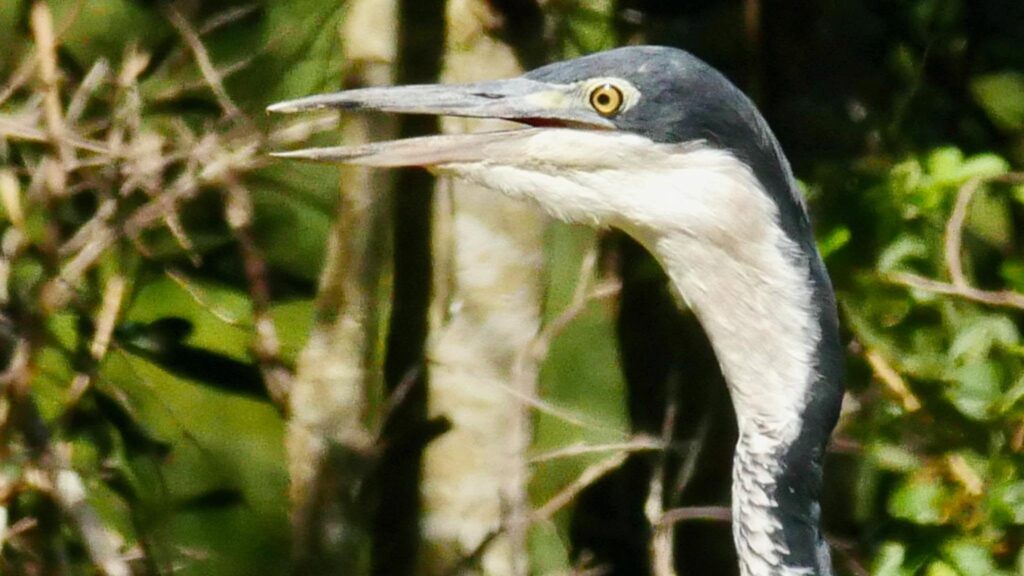
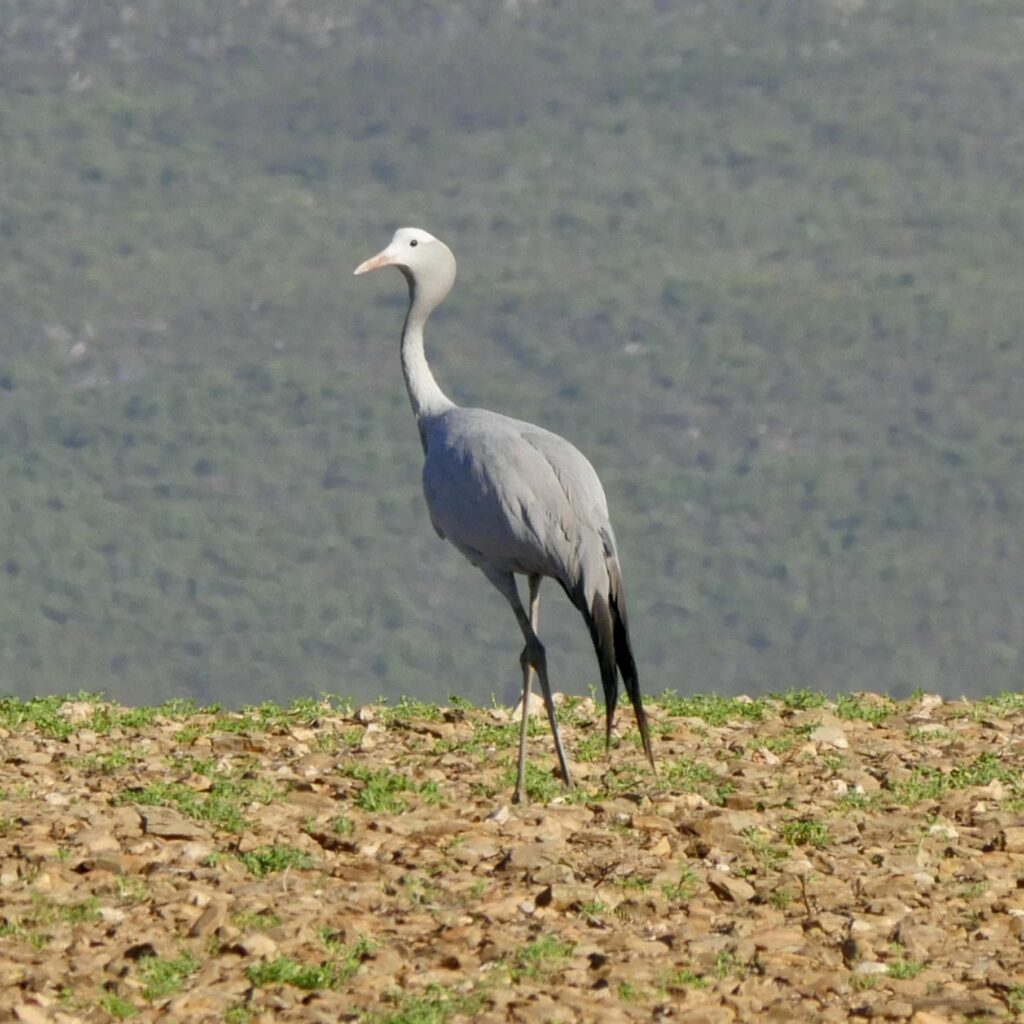
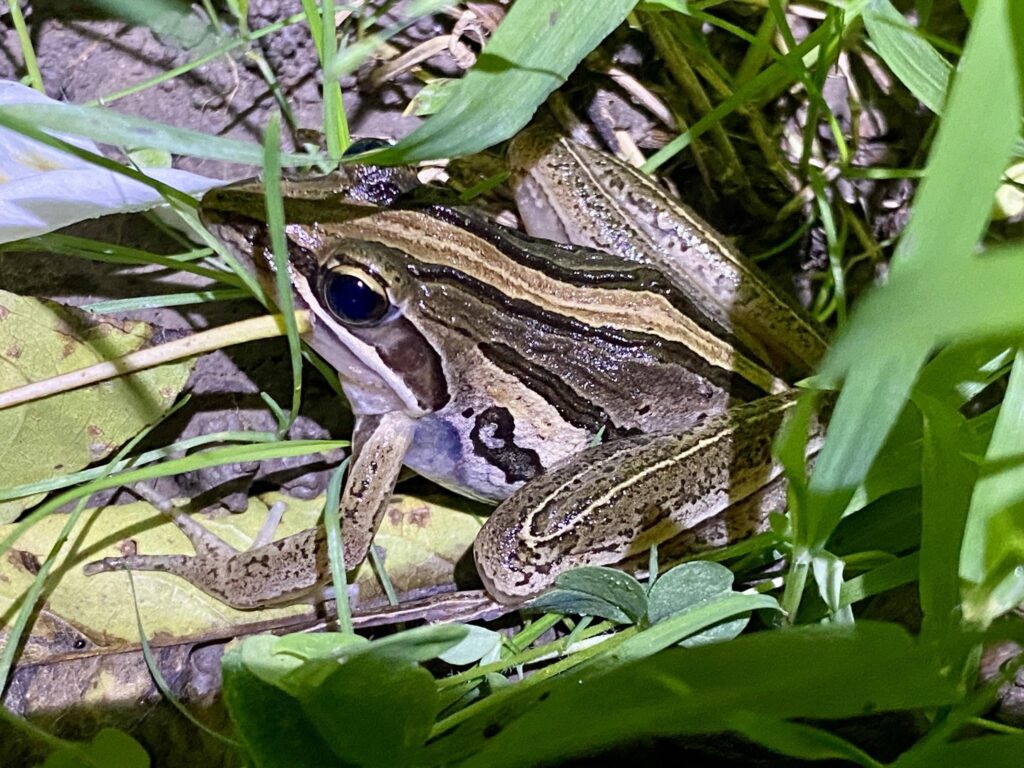
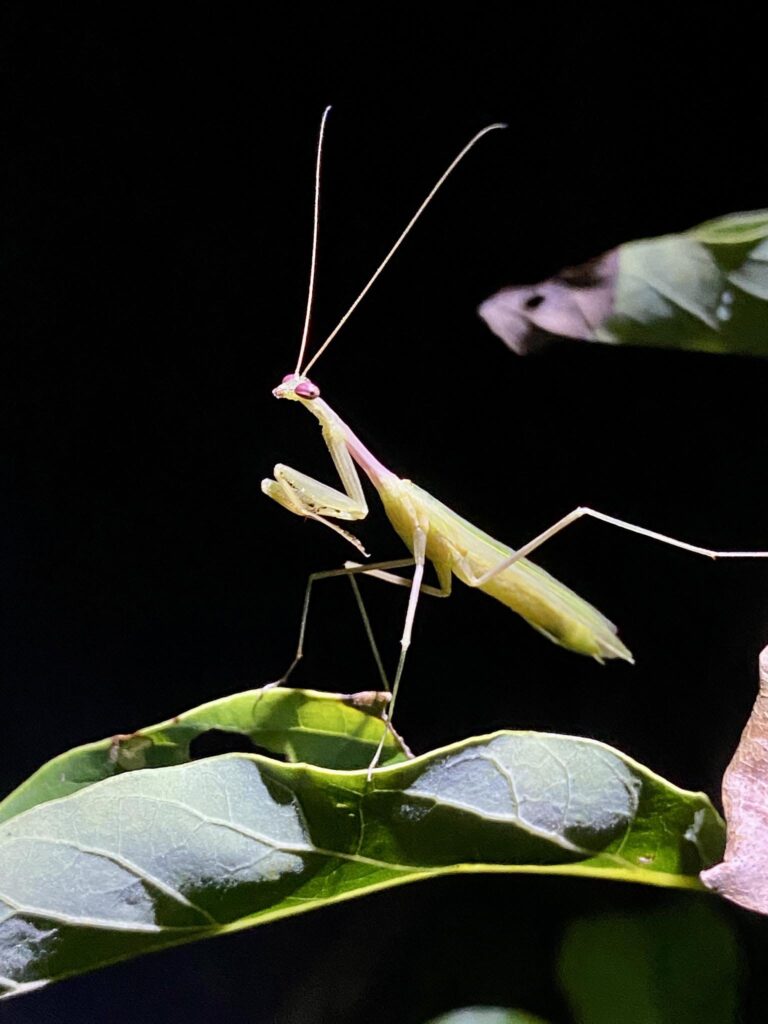
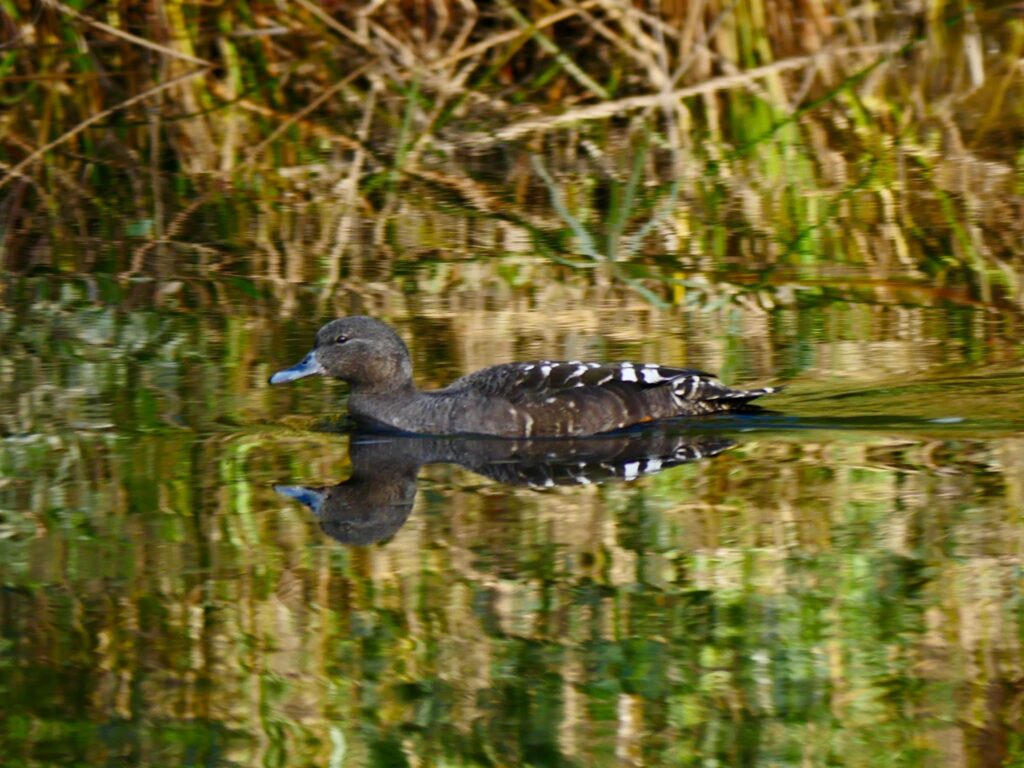
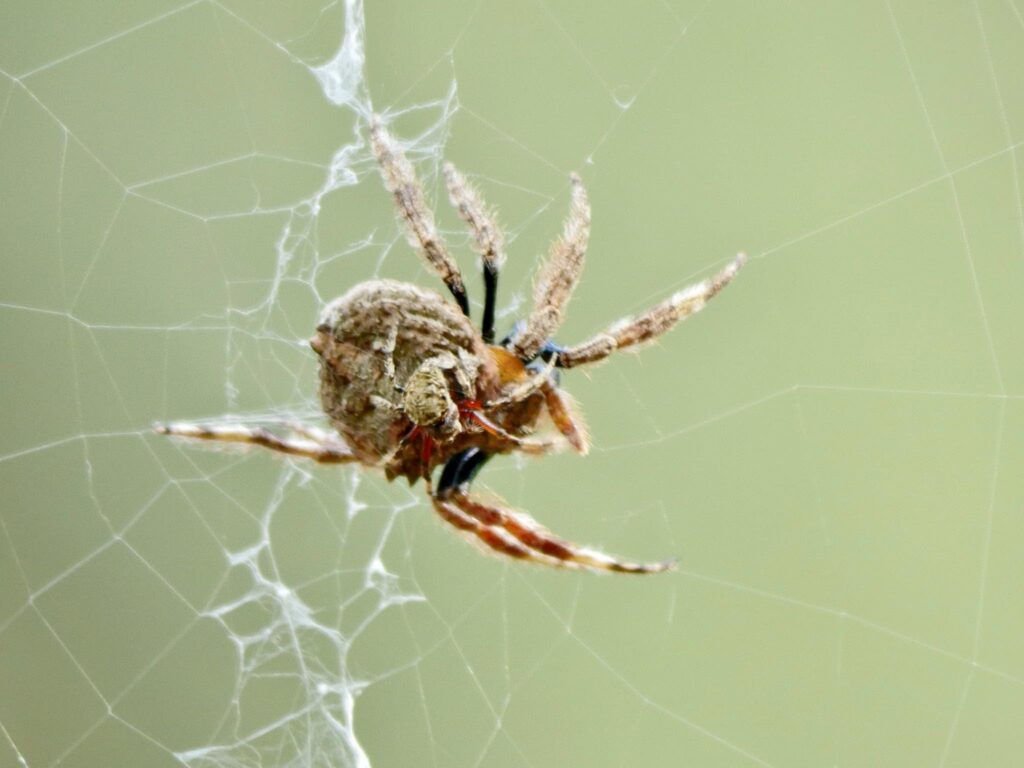
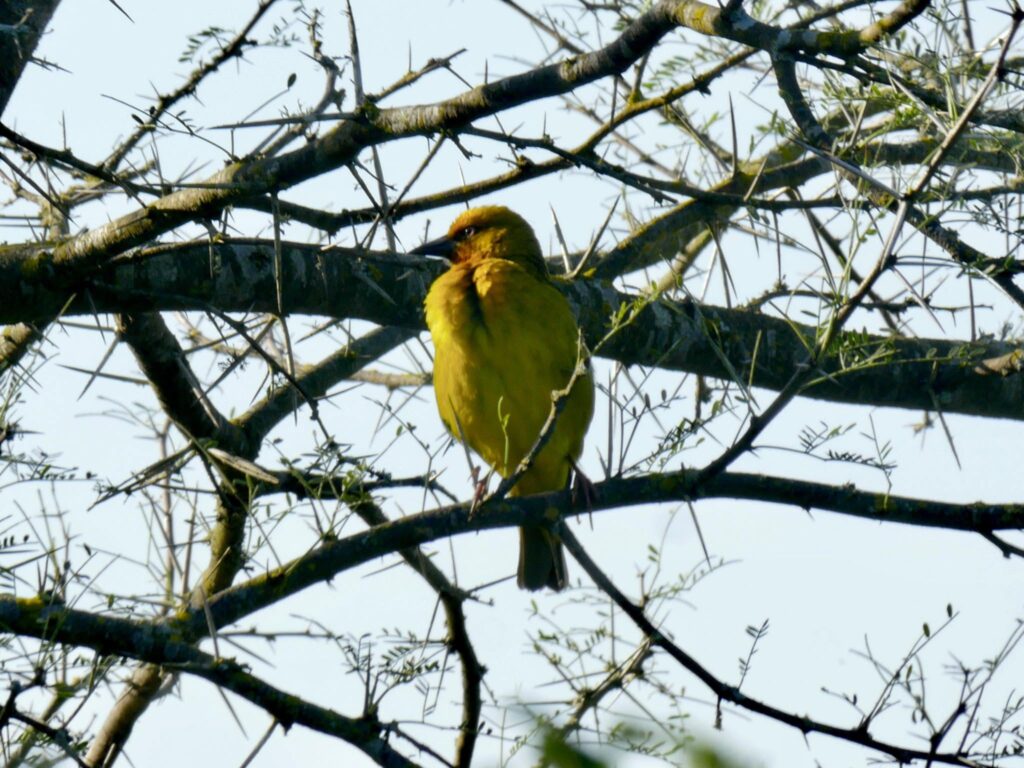
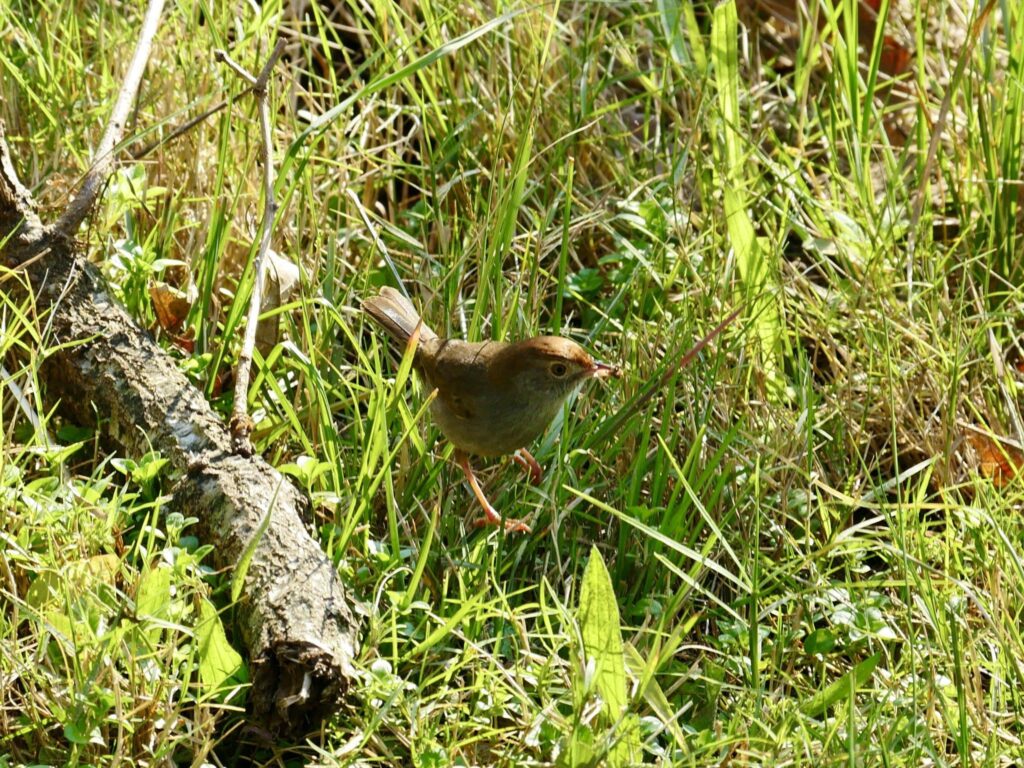
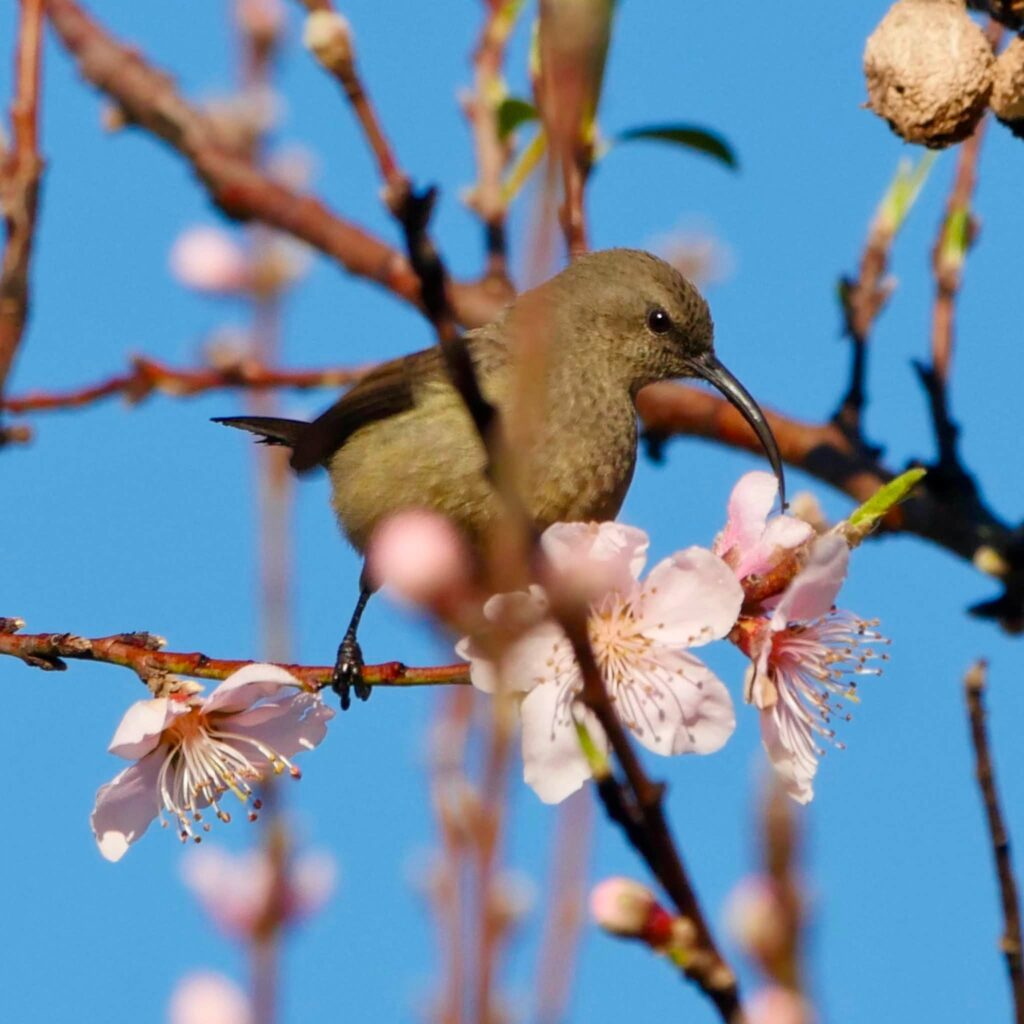
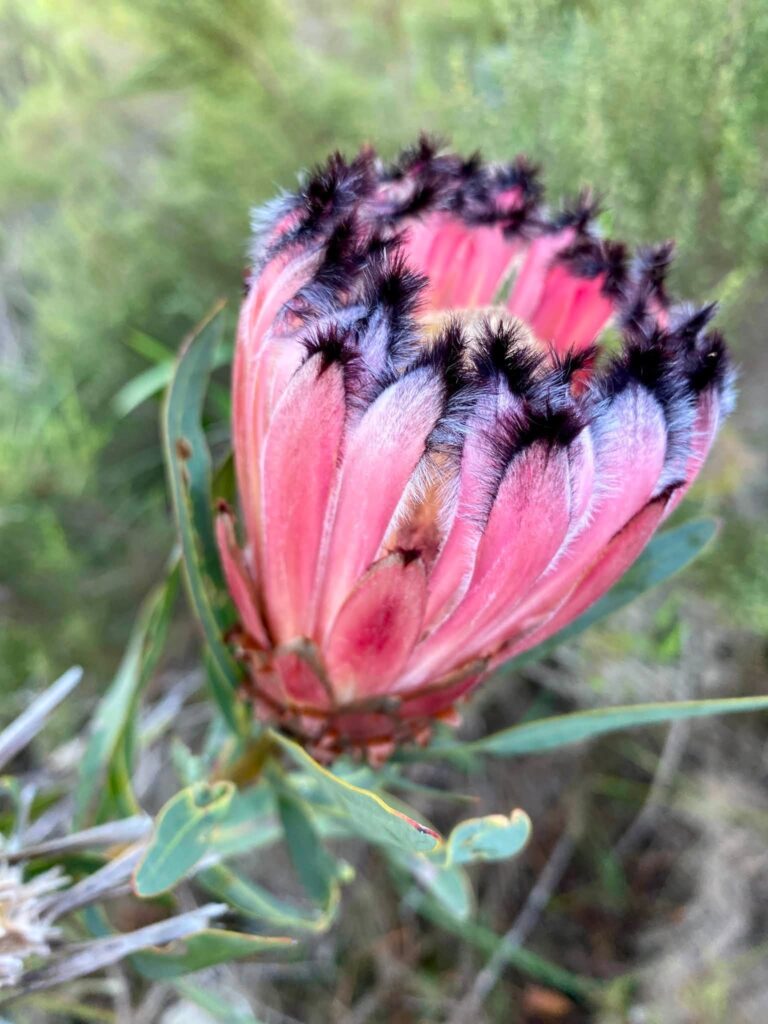
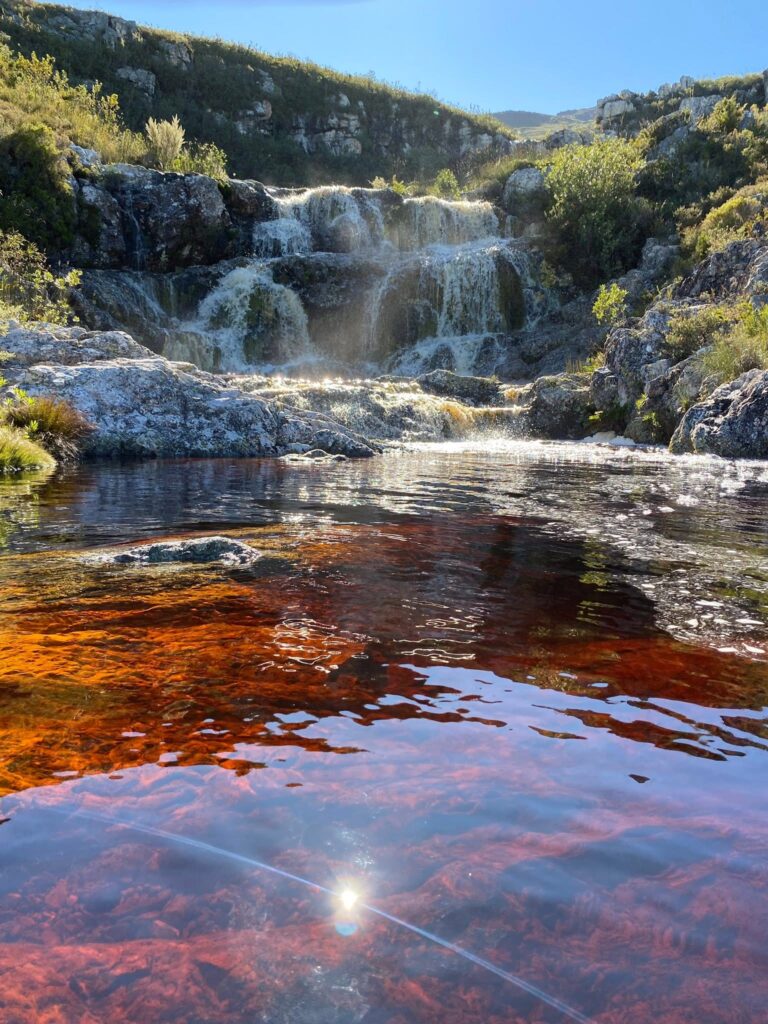
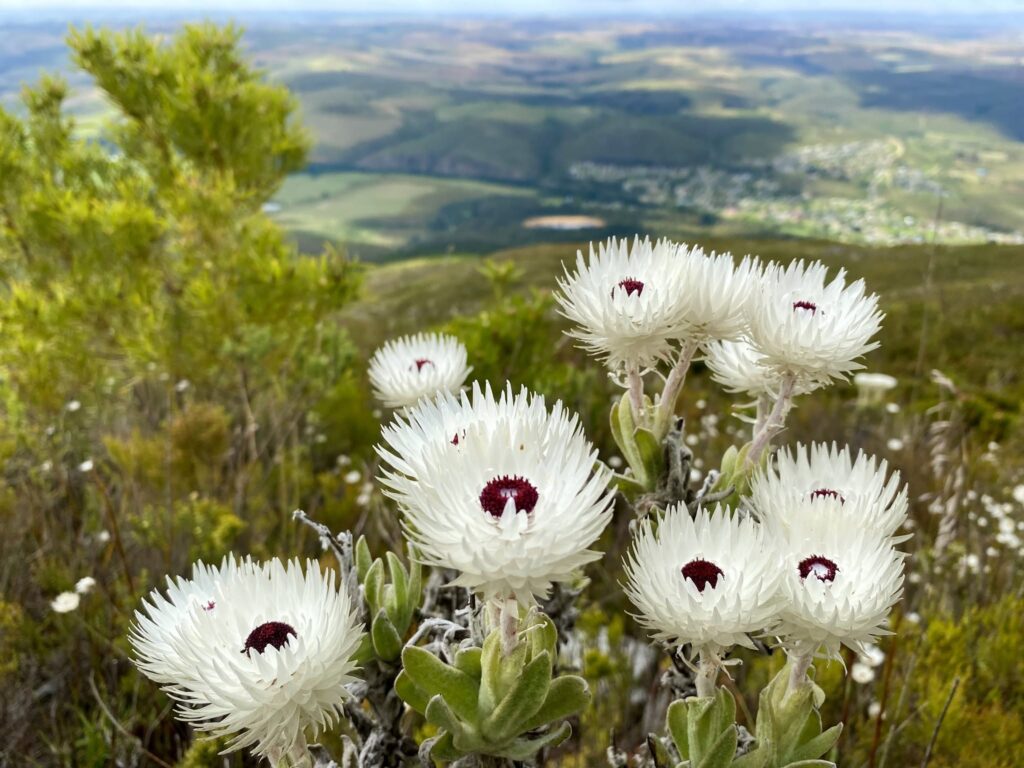
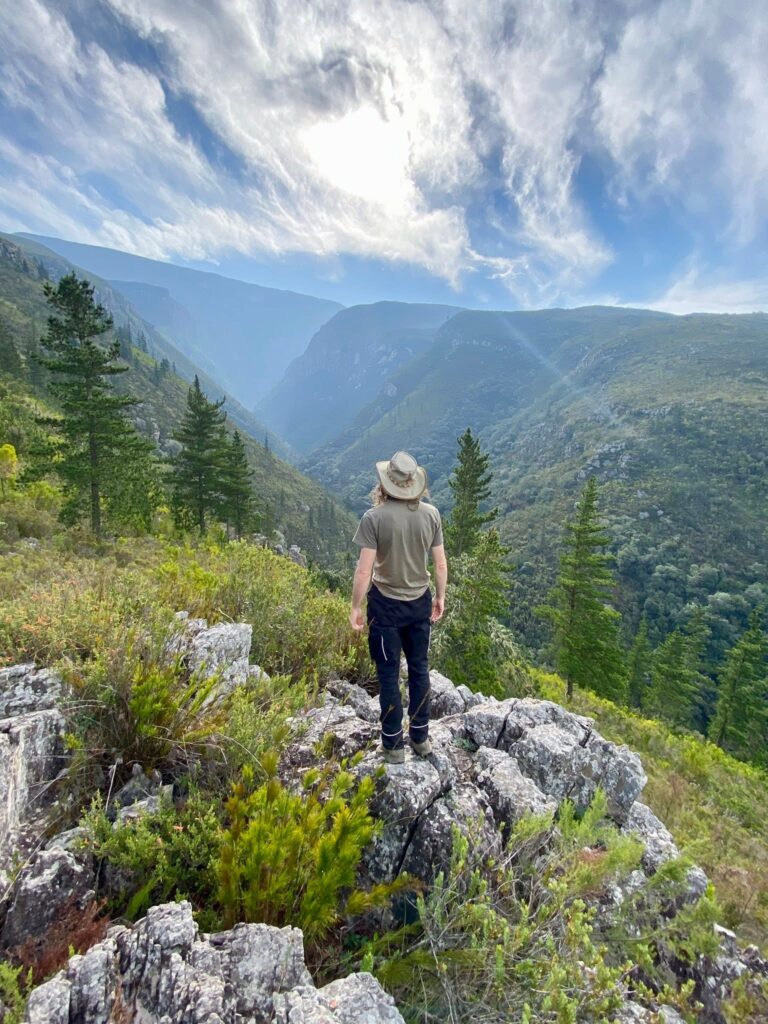
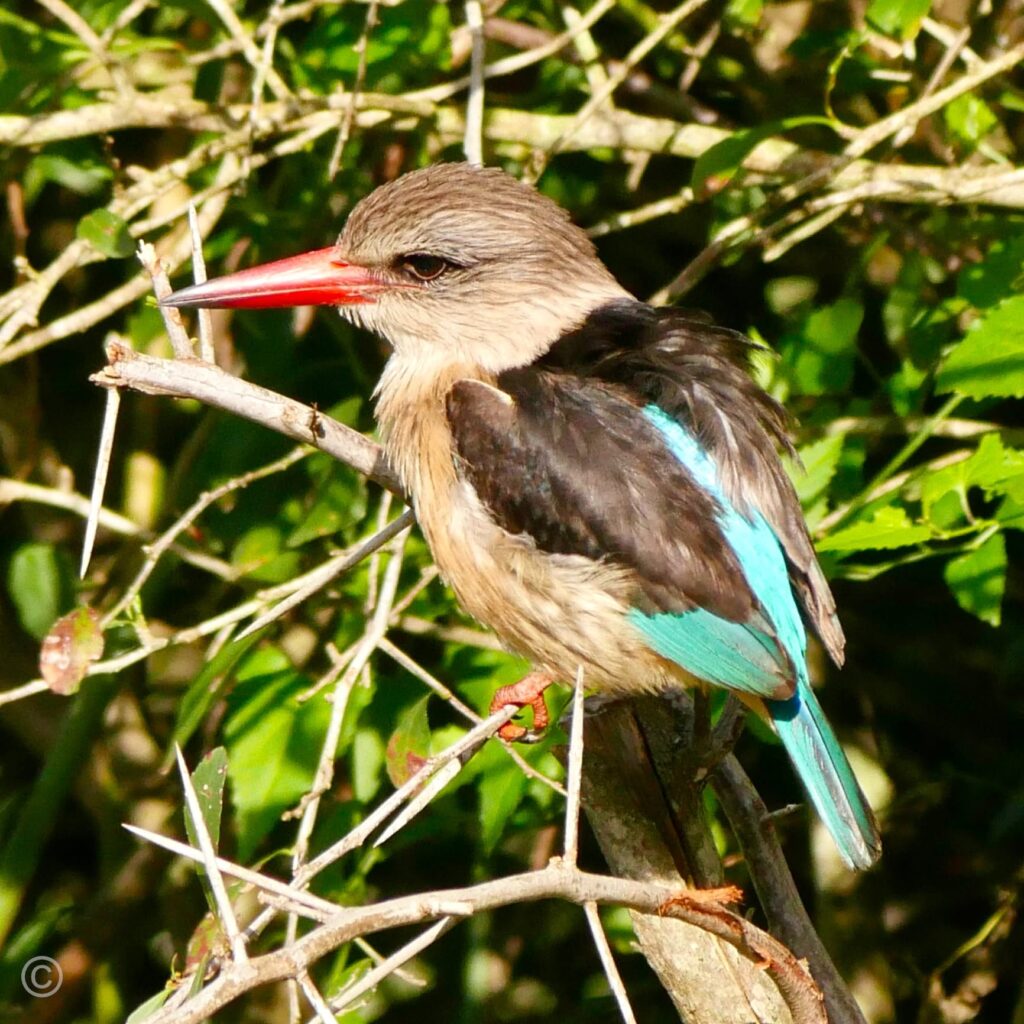
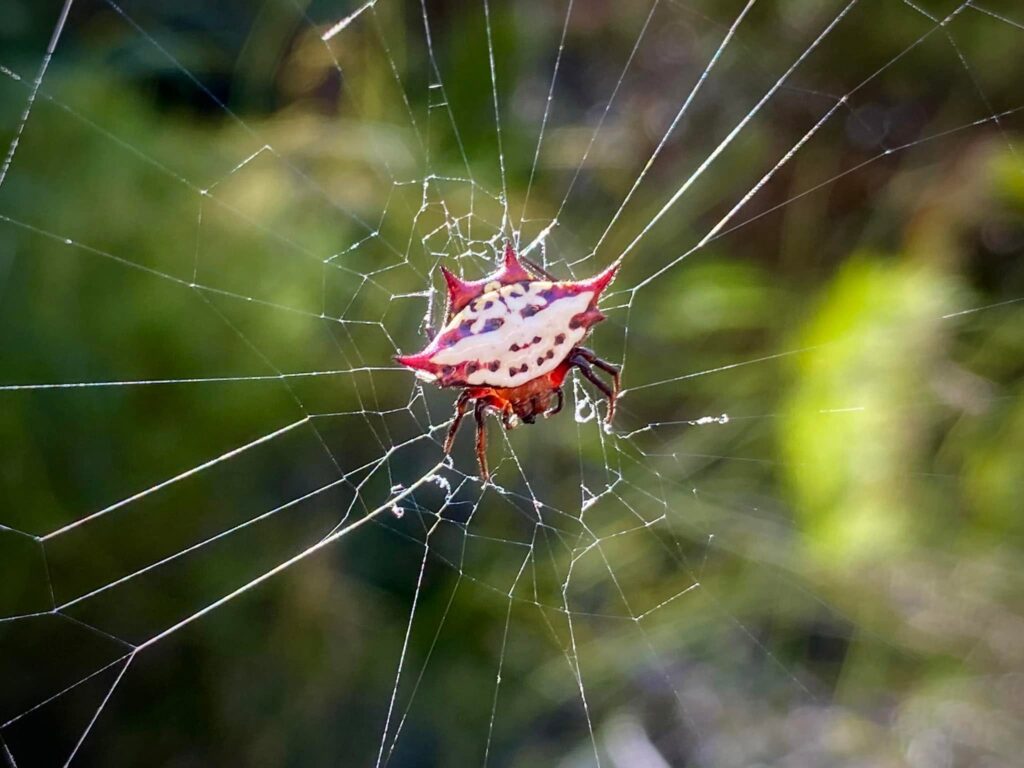
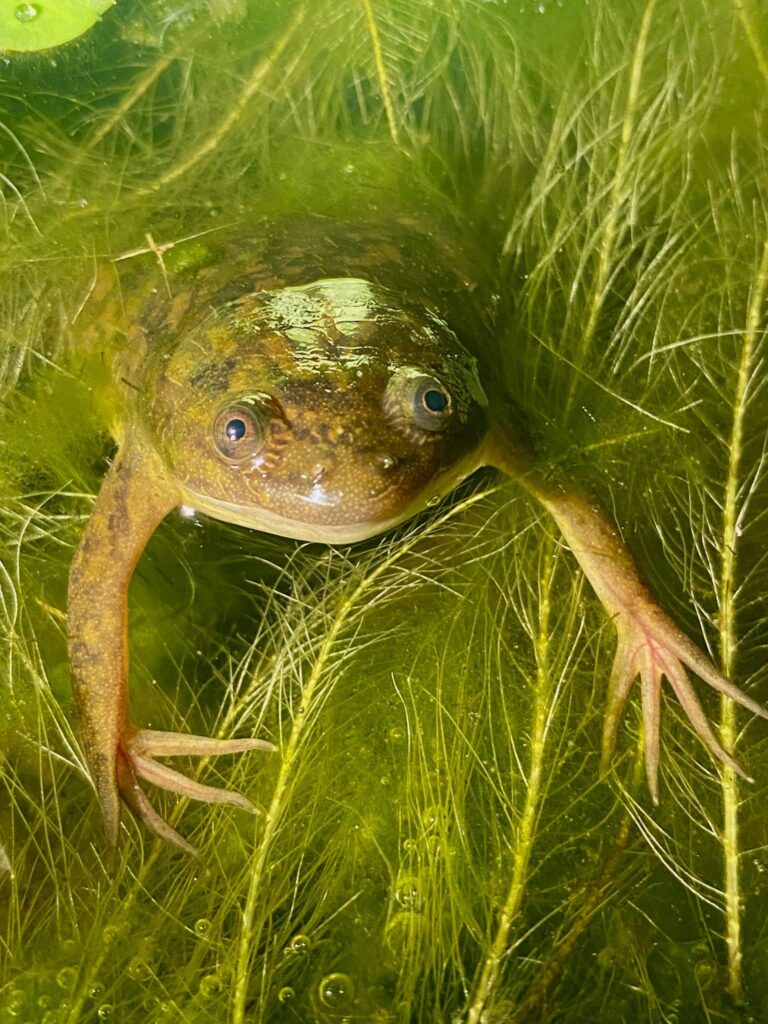
Some of the natural beauty at risk of being lost forever